



Blog
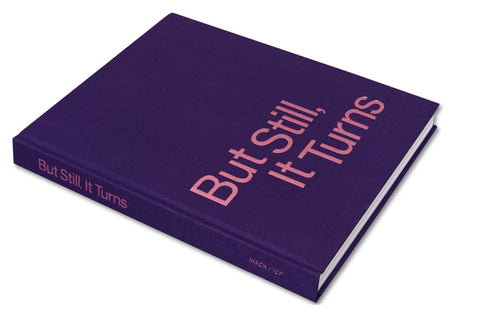
On a cold, bright day at the end of January 2020, I sat with Paul Graham in Manhattan, photo books spread over a tabletop, looking through the images you see here now by photographers and filmmakers whose work I had come to know within the past couple of years, some within the past several decades. As the pages turned, as books opened and piled up and were rearranged next to each other, subtle connections began to reveal themselves like reshuffled cards.
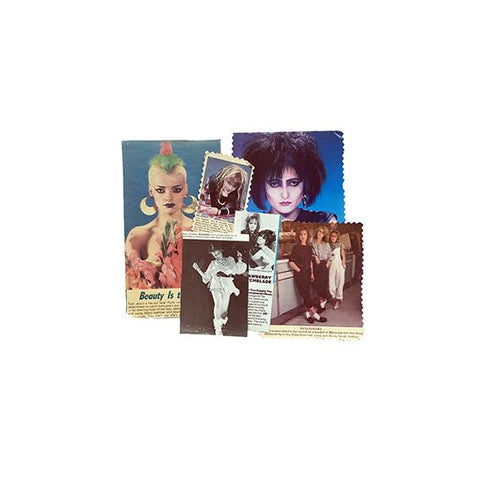
In my bedroom on the second floor of a two-story house, lost in a sprawl of tract housing overlooking a cul-de-sac in Huntington Beach, California, I had a wall that was collaged all over with cut-outs from fashion magazines, a sort of shrine to supermodels. Paulina, Cindy, Christy and Helena would gaze upon me as I stared at myself in the mirror, wondering when my boobs and legs would start growing, when my skin would clear up and when would I start to look like them. I was coming to the realization that it wasn’t going to happen for me, and I started to resent my reality. I felt ugly.

Love You Long Time.
Collier Schorr
Quickly.
That’s what she told me.
Deadline?
No she said...no deadline.
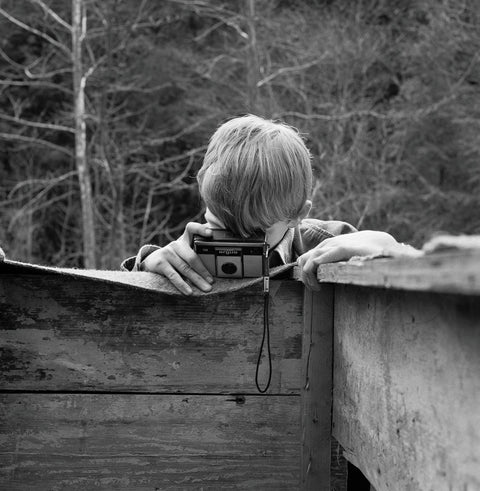
Many of the pictures in this volume are already in the children’s family albums. To the children and their families over the years they will summon up associations, details and stories—a continuously self-revising stream of captions. We can only read the laconic literal titles here—“My daddy feeding the cows,” “My foster family on Turkey Creek,” “My mother feeding the cat,” “My sister’s baby’s funeral,” “Mamaw and the baby”—repeat the words, and point to the beauties of the photographs. But in many cases, if we take the captions away we are speechless, as if in the presence of a mystery.
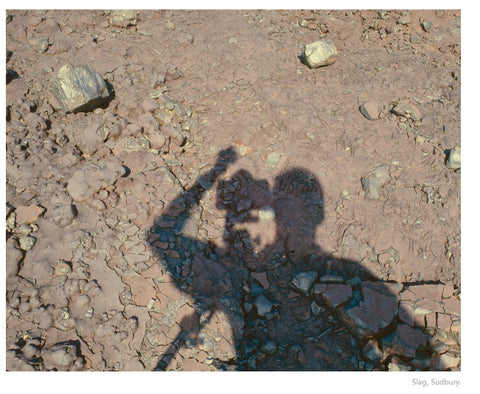
For citizens of the United States, Canada is typically neither here nor there. “Canada” occupies a zone of conceptual indifference: unthought, insignificant, simultaneously the same and different, but in ways that do not seem to matter much in an “American” scheme of things.
For Canadians, the United States is both here and there: insistent, present, pressing and beckoning from below. As the novelist Margaret Atwood put it recently, playing on a reassuring geopolitical cliché, Canadians peer through “the longest undefended one‐way mirror in the world.”
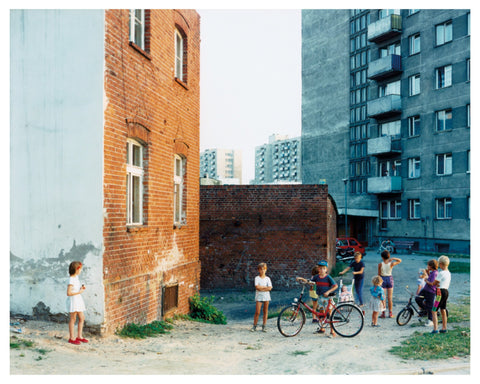
In 1960s Italy, as in so many other countries that were recovering from the ravages of World War II, the unrelenting urban sprawl led to a phenomenon that was new to some degree but also logical and inevitable, and that subverted the accepted criteria of what had been considered ‘photographable’.